
Intrauterine insemination is a type of assisted reproductive technology. It’s often viewed as a less costly, less invasive, and more natural fertility intervention in comparison to IVF, though is not suitable for everyone. IUI involves introducing sperm directly into your uterus, where it then has a chance to swim to the egg and fertilise it on its own.
IUI can also help single mothers and same-sex female couples build their families by using donor sperm.
There may be some instances where IUI is not likely to be successful, such as advanced maternal age, blocked fallopian tubes, or severe sperm abnormalities. In these cases, Dr Sacks may recommend a more suitable alternative such as IVF, which can be difficult to accept if your strong preference was for intrauterine insemination. Though your personal wishes are important and Dr Sacks always takes them into consideration, our ultimate goal is the same as yours – for you to have a healthy baby at the end of what is often a challenging fertility journey.
After a thorough examination of your reproductive health and discussion of your personal preferences, Dr Sacks may recommend IUI if you are affected by:
All patients at Flow Fertility need a valid referral from a GP or other medical specialist. We also recommend bringing the results of any past fertility tests or treatments you’ve already undertaken, as well as a copy of your general medical history.
At this first consultation, Dr Sacks will review your medical situation and listen to your story so far, getting to know you and your partner (if conceiving as a couple). If there are any gaps in the fertility tests you’ve already done, he will organise further investigations to develop a comprehensive picture of your reproductive health. Depending on the results of these tests and your personal preferences, we can then organise the first step of the IUI process.
The timing of IUI is crucial – the sperm should only be introduced into your uterus when your egg is available to be fertilised, giving us the highest chances of a pregnancy. If your preference is to work with your natural ovulation cycle, Dr Sacks will identify your day of ovulation through blood tests and pelvic ultrasound imaging. Alternatively, if your cycles are not predictable, we can manage this through using self-administered hormone injections to stimulate ovulation.
On the day you ovulate, your male partner will produce a semen sample, which will be washed and prepared. If you’re conceiving through donor sperm, we will organise for the sperm delivery and thawing in time for the next step of the IUI process.
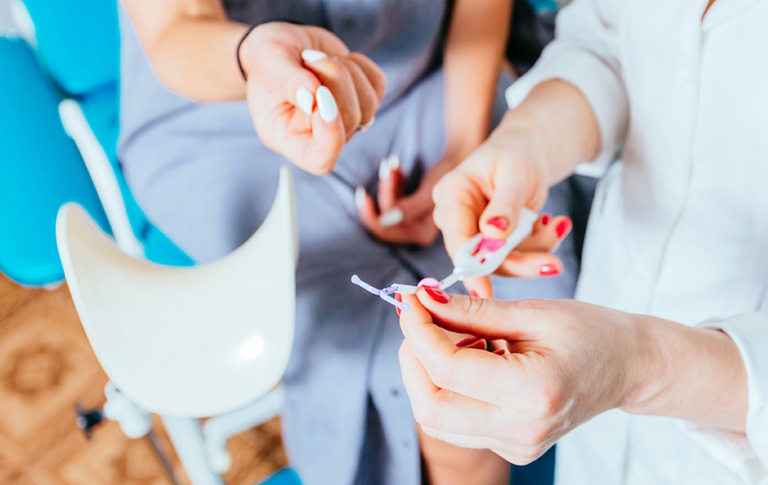
Insemination is a quick procedure in the comfortable environment of our fertility clinic. Using a catheter (a long, thin tube) passed through the cervix, we introduce your partner’s or donor’s sperm straight into your uterus. The sperm can then make its own way to your egg for fertilisation and the next natural steps of conception and pregnancy. Insemination is not typically painful though some women report mild cramping and discomfort. We will organise for you to have a pregnancy blood test around two weeks later.