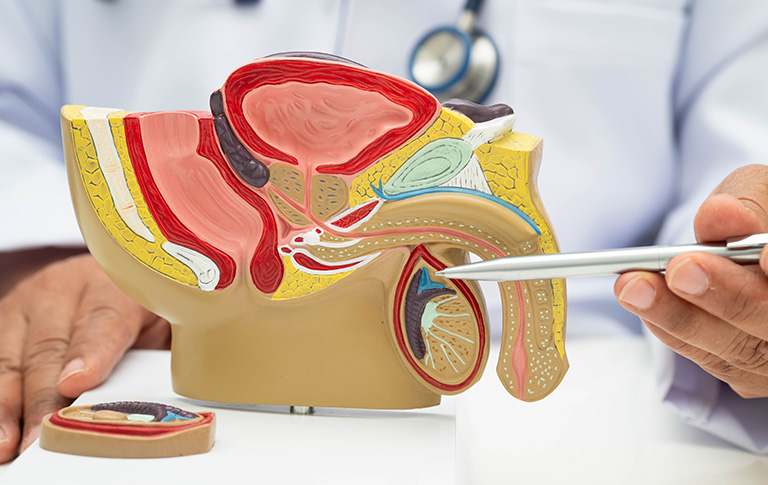

Intracytoplasmic sperm injection is an advanced fertility intervention similar to IVF. Where conventional IVF mixes the sperm with the egg in a specialised medium which still requires the sperm to swim to and penetrate the egg’s outer layers, ICSI enables us to carry fertilisation all the way by injecting a single sperm directly into the egg.
Though ICSI does not guarantee a pregnancy, it can significantly improve your chances compared to other forms of assisted reproduction, particularly if you are experiencing those situations listed to the right.
Dr Sacks may recommend ICSI if you:
Ask your GP or attending doctor to write you a referral to Dr Gavin Sacks, accompanied by a copy of your medical history and results of any previous fertility tests or treatments. This gives Dr Sacks a more complete picture of your current situation and helps to guide his investigations and recommendations without wasting precious time.
Your first appointment is all about getting to know you and your partner (if applicable), your fertility journey so far, and how you would like to reach your goal of building your family. After confirming whether IVF is a suitable option for you, depending on the results of your fertility tests and your personal preferences, we can move forward with the first step of the IVF procedure.
To retrieve multiple eggs for IVF, we need to encourage your body to produce more than the typical one egg per month. This is done through carefully timed injections of certain hormone medications self-administered at home. Some women feel anxious about using a needle but your dedicated IVF nurse will show you how to do your own injections with minimal discomfort. Throughout this step of your treatment, Dr Sacks will monitor the development of your ovarian follicles with ultrasound imaging and blood tests, and may fine-tune your medication dosages.
Once your ovarian follicles have reached the right size, you’ll be given an injection of human chorionic gonadotropin (hCG) hormone medication, commonly termed a ‘trigger injection’. This hormone matures and releases the available eggs to be collected during a minor surgical procedure in the hospital. The collection involves using a thin needle guided by a trans-vaginal ultrasound to retrieve the eggs directly from your ovaries.
Your eggs are mixed with sperm – whether that produced by your partner or provided by a sperm donor – in a laboratory environment under the expert supervision of our embryologists. This gives the sperm the opportunity to fertilise the egg on its own. Each fertilised egg is then transferred to a GeriⓇ time-lapse incubator, an advanced piece of IVF technology exclusively used by the Genea Fertility network.
At day 5 of embryo development (the blastocyst stage), the healthiest embryo is selected by our embryologists for implantation. Dr Sacks uses a long, thin catheter gently passed through your cervix to place the embryo directly into your uterus. Most women feel little to no discomfort during the procedure and you are free to return to your day immediately after. Around two weeks later we will organise a pregnancy blood test for you.